
What if the most expensive damage in your Malibu home isn’t visible right now – yet? What if it’s quietly forming behind your basement walls, waiting for the next rainy season or coastal storm surge to reveal itself?
Basement Wall Waterproof in Malibu CA is one of those topics homeowners think they understand – until they don’t. Especially in Malibu, where ocean air carries salt, the hillsides are always in subtle motion, and rains work their way through layers of soil. On their own, each factor looks harmless. Together, they create a quiet but powerful disaster beneath the walls.
In this blog, we’re going to slow things down and look at basement wall waterproofing in a clear and practical way.
Let’s take a look at what you really need to know.
1. The Real Cost of Ignoring Basement Wall Waterproof in Malibu CA
Here’s a truth most homeowners get to know too late:
Basement damage rarely announces itself loudly; it gives you hints of its arrival first. A hairline crack today can become structural damage tomorrow.
When in California, you already cannot afford the repairs as foundation related repairs cost a lot. And coastal homes here are on the higher end due to soil movement and moisture exposure.
Mold is another hidden cost which according to California health data, homes with chronic moisture issues show higher mold levels, which directly impact indoor air quality. This comes down to Malibu, where homes are more tight for energy efficiency, and moisture already has nowhere to escape.
Now, if you think the highest cost is the repair bills. It’s not. It’s the “lost home value”. Real estate professionals now have to handover a booklet of Information on Dampness and Mold for Renters in California (PDF) to tenants, as mold may be hazardous to them. This emphasizes that if the mold is visible and grown to the point of exposure, we hate to break the bad news but you cannot rent out your property.
2. Understanding Why Water Gets In
Before fixing the leakage with Basement Wall Waterproof in Malibu CA, you need to understand why it is happening. It is important because when you are aware of the science behind it, you can inspect it better, fix it better and most importantly, prevent it better.
To understand waterproofing, imagine this:
Your basement walls are like a sponge buried in wet sand but under pressure.
That pressure has a name: hydrostatic pressure.
After rainfall or irrigation, water builds up in the soil that surrounds the foundation of your house. And the cherry on top? Malibu’s clay mixed soil and hillside grading make this pressure even stronger. Even the concrete in the building is strong but not waterproof for that.
When water looks for relief from the pressure, it finds:
- Micro cracks in concrete
- Porous foundation walls
- Poor drainage paths
Considering the coastal humidity and salty air in Malibu, concrete becomes more vulnerable over time, which makes the route clearer for water towards the damage pretty easily.
3. Signs That Your Basement Is at Risk
Basement SOS Signals You Shouldn’t Ignore
Your basement is giving you signs, are you listening?
Use this quick homeowner checklist:
- Hairline or stair step cracks in walls
- White powdery residue (efflorescence)
- Musty or damp odors
- Peeling paint or bubbling drywall
- Rust on metal fixtures
- Water stains near the floor line
These are not just basic avoidable flaws. These are the early warning signs waiting to explode like a time bomb if not taken care of earlier by Basement Wall Waterproof in Malibu CA.
Note: If your basement smells damp, moisture is already winning.
4. Interior vs. Exterior Waterproofing: What Actually Works?
This is where confusion usually begins – so let’s simplify.
Interior waterproofing manages water after it enters.
Exterior waterproofing stops water before it gets in.
Both of them have their pros and cons. Take a quick look:
| Method | What It Does | Pros | Cons |
| Interior Systems | Redirects water to drains or sump pumps | Less invasive, lower upfront cost | Doesn’t stop wall saturation |
| Exterior Waterproofing | Seals foundation from outside | Long-term protection, structural benefit | Higher upfront investment |
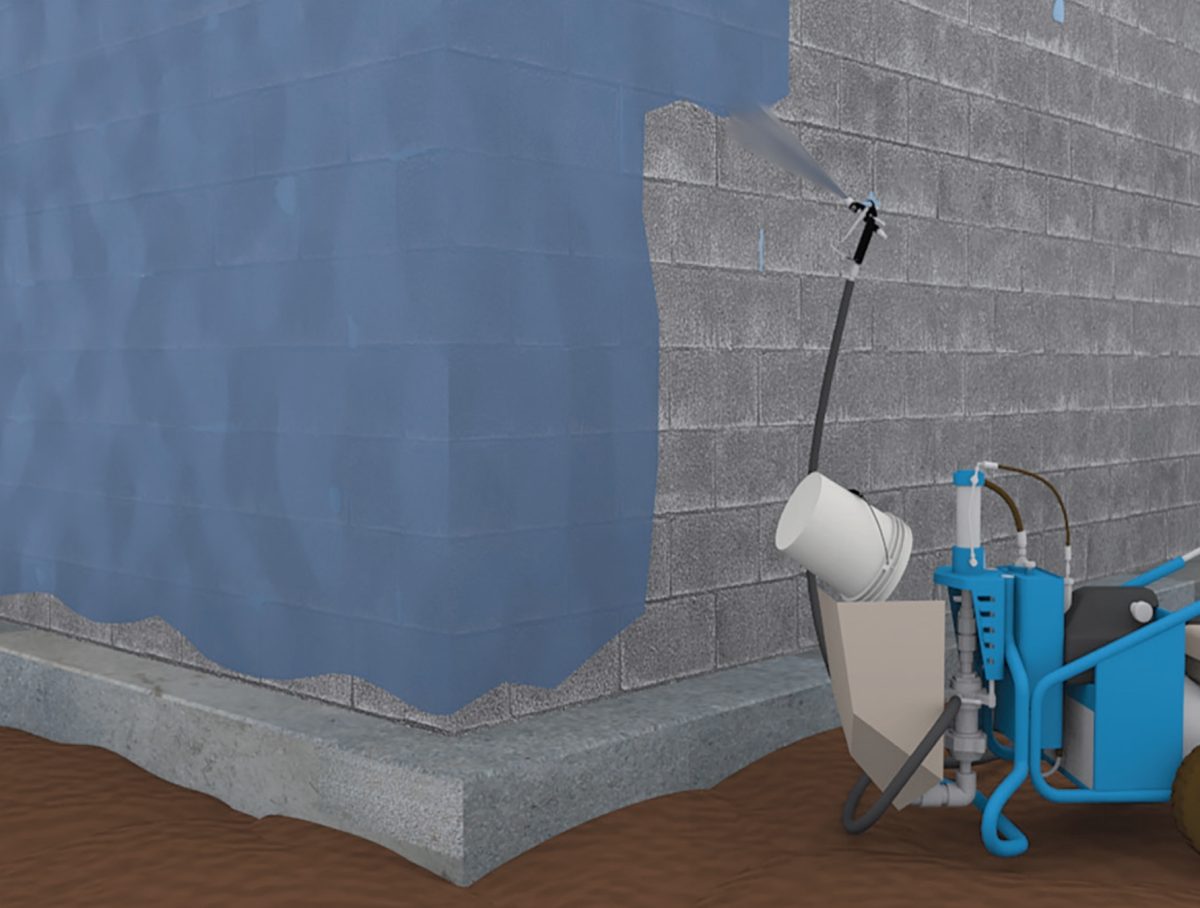
In Malibu, exterior waterproofing often outperforms because they address soil pressure, coastal moisture, and foundation longevity beforehand. Because, as we all can agree, water management is helpful – but water prevention is a smart move.
5. The Technology Behind Modern Waterproofing
We have seen everything advancing and honestly, waterproofing is no exception in this case. Where hunters used leaves to protect food from moisture and Egyptians applied a tar like substance to seal boats and pyramids. However, many modern waterproofing systems now come with remarkable advancements.
Today’s solutions include:
- Polymer based sealants that flex with seismic movement
- Multi layer waterproof membranes rated for 25-50 years
- French drain systems engineered for high-flow
Keeping this in mind, we can say that Basement Wall Waterproof in Malibu CA has shifted from “repair” to “asset protection technology.”
6. DIY vs. Professional Solutions: Knowing the Line
DIY sealants work – briefly. They are indeed ideal for minor fixes but definitely not for pressure based water intrusions.
For example you can treat a minor scratch on your finger with a band aid, but if it is a deep cut or wound – you have to go for more comprehensive care. This is the same case when it comes to DIY vs professional waterproofing.
We have seen Malibu homeowners spend a few hundred dollars on DIY fixes, only to call professionals after the first heavy rain exposed deeper failure points.
That’s where GQ Waterproofing steps in as your rescuer.
We have high experience in coastal foundations, hillside properties, and California building standards. GQ Waterproofing focuses on:
- Root cause diagnostics
- Engineered solutions – not patches
- Long term protection plans
Note: From a cost benefit perspective, professional waterproofing typically costs less over ten years than repeated DIY attempts and secondary damage.
7. Maintenance Tips That Save You Thousands
Prevention seems like a minor effort throughout the waterproofing process for your basement but it is incredibly effective and important. Why? Because most basement failures are maintenance failures, not material failures.
Take a look at these simple habits that protect your basement:
- Inspect walls every season
- Keep gutters clear and extended away from the foundation
- Make sure that soil slopes away from your home
- Test sump pumps before rainy months
- Monitor indoor humidity
These steps are super easy to follow as they don’t require any sort of expertise – just attention.
8. Investing in Long Term Home Value
Malibu homes are not only a place to live but an asset that needs to be maintained with time. (Malibu homeowners can relate high time)
Proper Basement Wall Waterproof in Malibu CA:
- Protects structural integrity
- Improves indoor air quality
- Increases resale confidence
- Strengthens inspection reports
Homes with documented waterproofing systems sell faster and negotiate more strongly.
Ultimately, dry basements don’t just protect homes – they protect the lasting value waterproofing can offer.
Final Thought
So what you really need to know about Basement Wall Waterproof in Malibu CA is simple. Water never waits. Pressure builds, cracks form, and damage starts long before you see it. Managing water inside helps, but stopping it outside protects your foundation for the long term. Lastly, for lasting waterproofing, avoid DIY fixes and hire a professional.
The best waterproofing job is the one you never have to think about again and hiring a professional will help you execute it perfectly.
Ready to Hire a Professional?
Schedule a professional inspection with GQ Water Proofing and understand what your basement is telling you before it becomes expensive.
FAQs
How much does basement wall waterproofing cost?
Basement wall waterproofing costs depend on the method used, the size of the basement, and how severe the water problem is. Interior systems cost less upfront, while exterior waterproofing costs more.
What is the best waterproofing method for basement walls?
The best method is exterior basement wall waterproofing because it stops water before it enters the walls.
Can I waterproof my basement walls myself?
You can fix small surface cracks with DIY sealants, but these are temporary solutions. DIY fixes don’t stop hydrostatic pressure and often fail after heavy rain.
How do I know if my basement walls need waterproofing?
Your basement may need waterproofing if you see wall cracks, white powder, or peeling paint. Moreover, musty smells, damp spots, or water stains near the floor are warning signs.

